
Buying or selling real estate is not just about luck. Timing plays a major role, and that timing depends on how the property market moves over time. Housing market cycles shape prices, demand, and opportunities. When you understand these patterns, you make calmer decisions and avoid emotional mistakes. This guide breaks down each phase, explains buyer and seller signals, and helps you make informed decisions with confidence.
Brief Overview of Housing Market Cycles

Real estate does not move in a straight line. Prices rise, slow down, fall, and recover. These changes repeat over time and create predictable patterns. Housing market cycles explain why some years favour buyers while others reward sellers. People who study these cycles avoid overpaying and know when to book profits. Instead of guessing, they rely on data, trends, and patience.
Many buyers rush during price peaks. Many sellers wait too long during downturns. Both lose money. Understanding these movements helps you stay ahead of the crowd and plan for the long term.
What Are Property Market Cycles?
Here are the 4 stages of the market that the buyer and seller must look into. Have a look here:
1. Recovery Phase

This phase begins after a slowdown. Prices stay low, and buyer confidence remains weak. Construction activity slows significantly and media coverage stays negative. Smart investors quietly enter during this phase, identifying value while others hesitate.
2. Expansion Phase
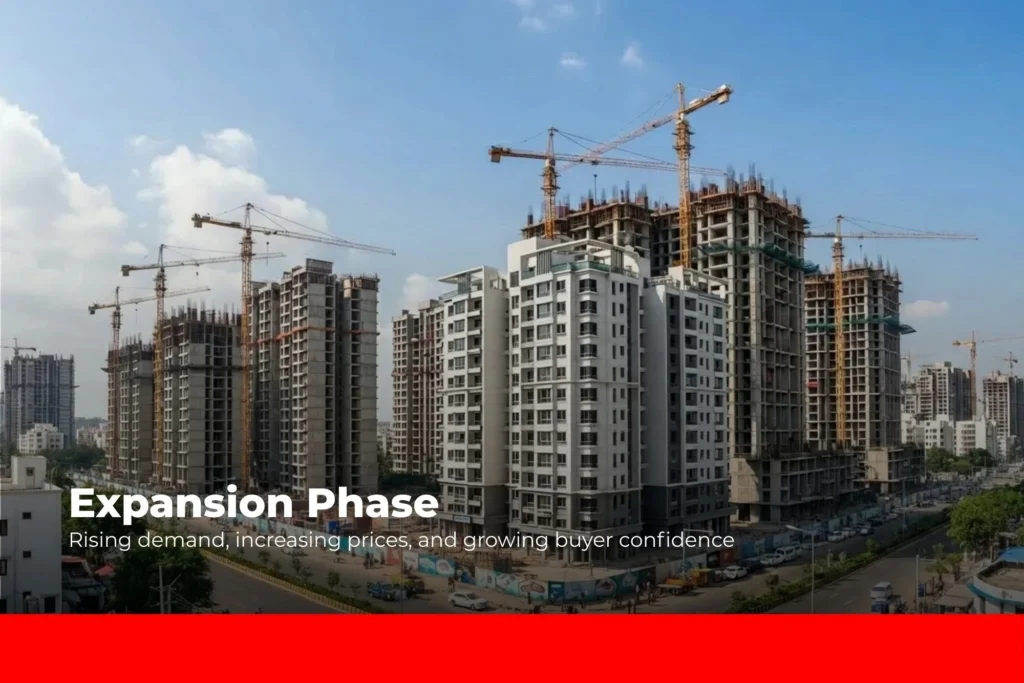
When demand starts rising, job conditions improve and lending becomes easier. Prices grow steadily, and new projects launch across the market. Most first-time buyers enter during this stage, while overall market confidence builds month by month.
3. Hyper Supply Phase
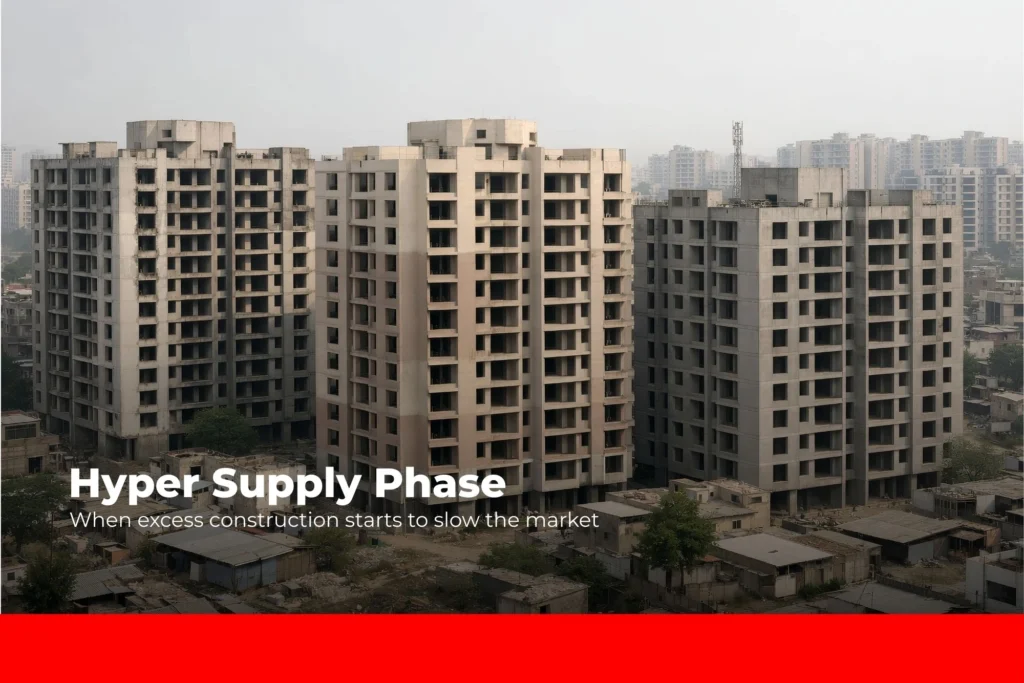
During this stage, developers overbuild due to strong demand. Inventory rises fast and price growth begins to slow. Discounts and offers appear, the buyers gain negotiation power, and sellers must compete harder.
4. Recession Phase

Demand drops, but inventory stays high during this phase and prices fall or remain stagnant. Market sentiment turns negative again. This phase clears shows due to excess supply, it sets the stage for the next recovery. Every cycle moves through these stages in order, though timelines vary.
Best Time to Buy a Home

The best time to buy a home often arrives before headlines turn positive. Buyers benefit most during the recovery or early expansion phase. Prices remain reasonable. Choices stay wide. Competition stays low.
Interest rates also matter. Lower rates reduce monthly payments and increase long-term affordability. Buyers who wait for “perfect” conditions often miss strong opportunities.
The best time to buy a home depends on personal stability too. Job security, savings, and future plans matter as much as timing. When personal readiness aligns with early growth stages, buyers gain the biggest advantage.
When to Sell Property

Many owners struggle to decide when to sell property. The strongest selling window appears during late expansion or early oversupply. When prices are at their peak and demand stays strong, the buyers accept higher valuations.
Warning signs appear when listings sit longer and price cuts increase. That usually signals the market is shifting and the sellers who act early protect profits. Knowing when to sell property requires discipline. Emotional attachment can delay decisions. Data-driven sellers watch inventory levels, price growth speed, and buyer urgency instead of waiting for rumors.
Key Factors That Influence Cycles
Housing market cycles respond to several powerful forces. Each factor below plays a direct role in shaping demand, prices, and buyer or seller behaviour, influencing real estate market trends and property investment timing.
1. Interest Rates

Interest rates decide how affordable home loans feel to buyers. Lower rates reduce monthly EMIs and attract more buyers into the market, improving home buying and selling timing for end users. Higher rates increase costs, slow demand, and often stabilize or reduce prices, directly impacting property investment timing.
2. Employment and Income Growth

Job security gives people confidence to commit to long-term home purchases. Rising incomes improve borrowing capacity and support higher property values, strengthening overall real estate market trends. Job losses or slow wage growth quickly weaken buyer demand and market activity, affecting home buying and selling timing.
3. Government Policies

Tax benefits on home loans encourage first-time and end-user purchases and improve home buying and selling timing. Affordable housing schemes increase demand in specific price segments. Tighter lending rules or reduced incentives can slow overall market momentum and influence property investment timing.
4. Supply and Construction
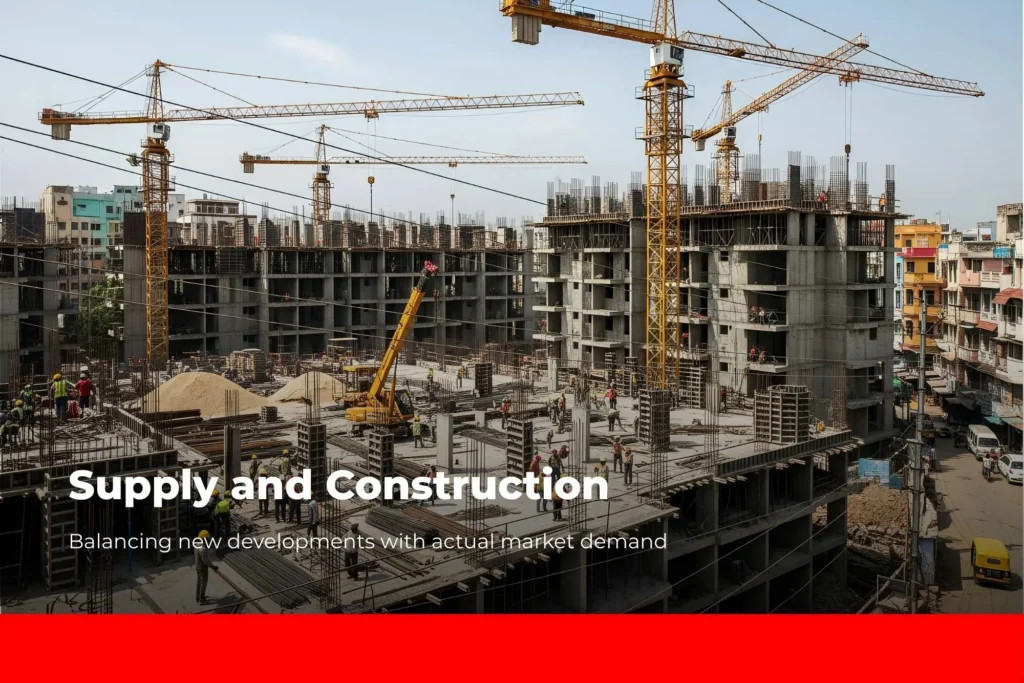
Balanced supply keeps prices stable and supports healthy market growth aligned with long-term real estate market trends. Excess construction creates oversupply and increases competition among sellers. Limited new projects push prices higher due to scarcity and strong demand, playing a key role in property investment timing.
5. Local Infrastructure
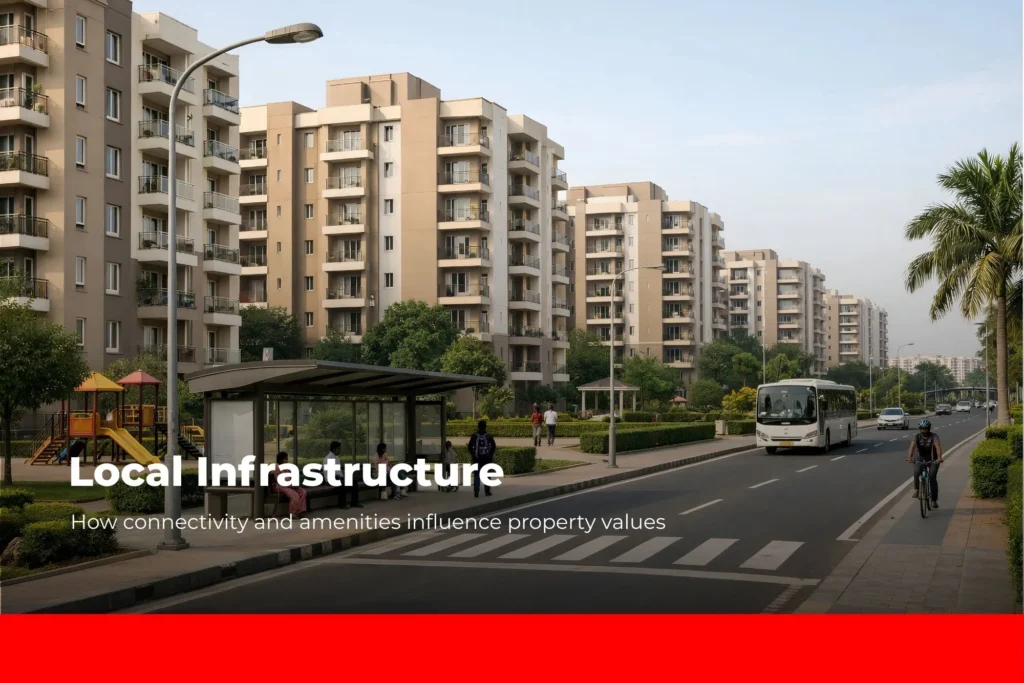
Infrastructure improves connectivity and daily convenience for residents. New metros, highways, and business zones attract both buyers and investors and shape local real estate market trends. Areas with planned development often see faster appreciation and demand growth, making them important for strategic home buying and selling timing.
How to Identify the Current Phase?
The best time to buy a home or decide when to sell property becomes clearer when buyers and sellers closely observe key market indicators. The table below highlights practical signals that help identify the current phase of housing market cycles and guide smarter decisions.
| Indicator | What to Observe | What It Indicates |
|---|---|---|
| Average Selling Prices and Inventory Levels | Track property prices over a six- to twelve-month period instead of focusing on short-term changes. | When prices rise steadily and available listings remain low, the market usually sits in an expansion phase. Buyers compete, and sellers gain pricing power. |
| Prices vs Unsold Homes | If prices stay flat while the number of unsold homes increases. | The market is likely moving toward oversupply. This phase gives buyers more options and negotiation room, while sellers may need to adjust expectations. |
| How Fast Homes Sell (Days on Market) | When homes sell quickly after listing. | It shows active buyer interest and limited supply. This behavior is common in growing or peak markets. |
| Longer Listing Periods | If properties remain listed for longer periods. | Buyer urgency is fading. This slowdown often appears before prices soften, making it an early warning sign of a cooling market. |
| Rent Growth vs Price Growth | When rents rise while prices stay stable. | It indicates strong end-user demand and signals early recovery. |
| Price Growth Faster Than Rent | If prices increase faster than rents. | Speculation may be driving the market. This imbalance can suggest that price growth may slow or correct in the future. |
| Local Market Trends | Housing market cycles vary widely by city, zone, and even neighbourhood. | National trends may not reflect what is happening locally. |
| Local Data Analysis | Always analyze local price movement, supply levels, and demand patterns. | Local data gives clearer signals and leads to better buying or selling decisions. |
Practical Tips for Buyers and Sellers

Making the right real estate decision depends on preparation, patience, and timing. Buyers and sellers who understand market behaviour and plan accordingly achieve better outcomes than those who act on emotion or pressure. So, look here few tips:
Practical Tips for Buyers
- Buyers often feel rushed when prices rise quickly, but panic buying usually leads to overpaying.
- Rapid price spikes attract speculation and competition, which reduces negotiation power.
- Taking time to assess the market helps buyers avoid costly mistakes and choose properties with stable long-term value.
- Comparing multiple projects is essential before making a final decision.
- Each project differs in location, construction quality, amenities, and future growth potential.
- Viewing several options allows buyers to understand fair pricing and identify properties that offer better value rather than settling for the first available option.
- Long-term liveability should always outweigh short-term market trends.
- Factors such as neighbourhood safety, access to schools, workplaces, healthcare, and daily conveniences influence both quality of life and resale demand.
- Homes that meet practical living needs tend to retain value even during market slowdowns.
- Maintaining a financial buffer protects buyers from future uncertainty.
- Interest rates can rise, incomes can change, and unexpected expenses can appear.
Extra savings ensure that homeownership remains comfortable and stress-free, even if market conditions shift.
Practical Tips for Sellers
- Sellers benefit most when pricing aligns with current market reality.
- Setting prices based on recent comparable sales attracts genuine buyers and reduces time on market.
- Overpriced homes often sit unsold and eventually require price cuts, which weakens buyer confidence.
- Property presentation plays a major role in buyer perception.
- Clean, well-lit, and well-maintained homes create strong first impressions and encourage faster decisions.
- Simple improvements such as repairs, decluttering, and neutral interiors can significantly improve sales outcomes.
- Acting early during signs of a slowdown helps sellers protect profits.
- Rising inventory levels, longer selling times, or fewer inquiries often signal a shifting market.
- Sellers who list early face less competition and secure better terms.
- Flexibility during negotiations keeps deals moving forward.
- Buyers today expect reasonable discussions on pricing, payment timelines, and minor repairs.
- Sellers who remain open and cooperative increase their chances of closing successfully, even in changing market conditions.
- Those who align their strategy with market phases make informed decisions and achieve better financial results.
- Emotional reactions often lead to missed opportunities, while thoughtful planning builds long-term success.
Final Words
Real estate rewards patience, not prediction. Housing market cycles repeat because human behaviour repeats. Fear and greed drive decisions, but data brings clarity. Buyers gain value by entering early in growth phases. Sellers protect gains by exiting before saturation peaks.
Instead of asking friends or chasing headlines, study local trends and plan calmly. The market always moves. Those who understand its rhythm move with it, not against it.
Frequently Asked Questions
1. How long does one property cycle last?
A full cycle can last anywhere from 7 to 12 years. Local factors can shorten or extend this period.
2. Can buyers succeed during high-price periods?
Yes, buyers with long-term goals and strong income stability can still benefit, even during peak phases.
3. Should I wait for prices to fall before buying?
Waiting carries risk. Markets may stabilize instead of falling. Focus on affordability and long-term use.
4. Do all cities follow the same cycle timing?
No, each city and locality moves at its own pace based on jobs, supply, and infrastructure growth.
5. Is timing more important than location?
Location holds value longer. Good timing improves returns, but strong locations reduce risk over time.








Leave a Reply