
Buying a flat is one of the most significant investments most people make in their lifetime. It’s not just a financial commitment but also a long-term lifestyle decision. While it’s exciting to move into a new home, many buyers make the mistake of skipping a crucial step: verifying the legal documents to check before buying a flat. Failure to do so can result in disputes, financial losses, and even legal action.
To protect yourself, it is essential to review all the legal documents before buying a flat. This comprehensive guide will take you through every document you must verify, explain why it matters, and provide a flat purchase legal checklist to make your buying process safe and stress-free.
What is a Legal Document?
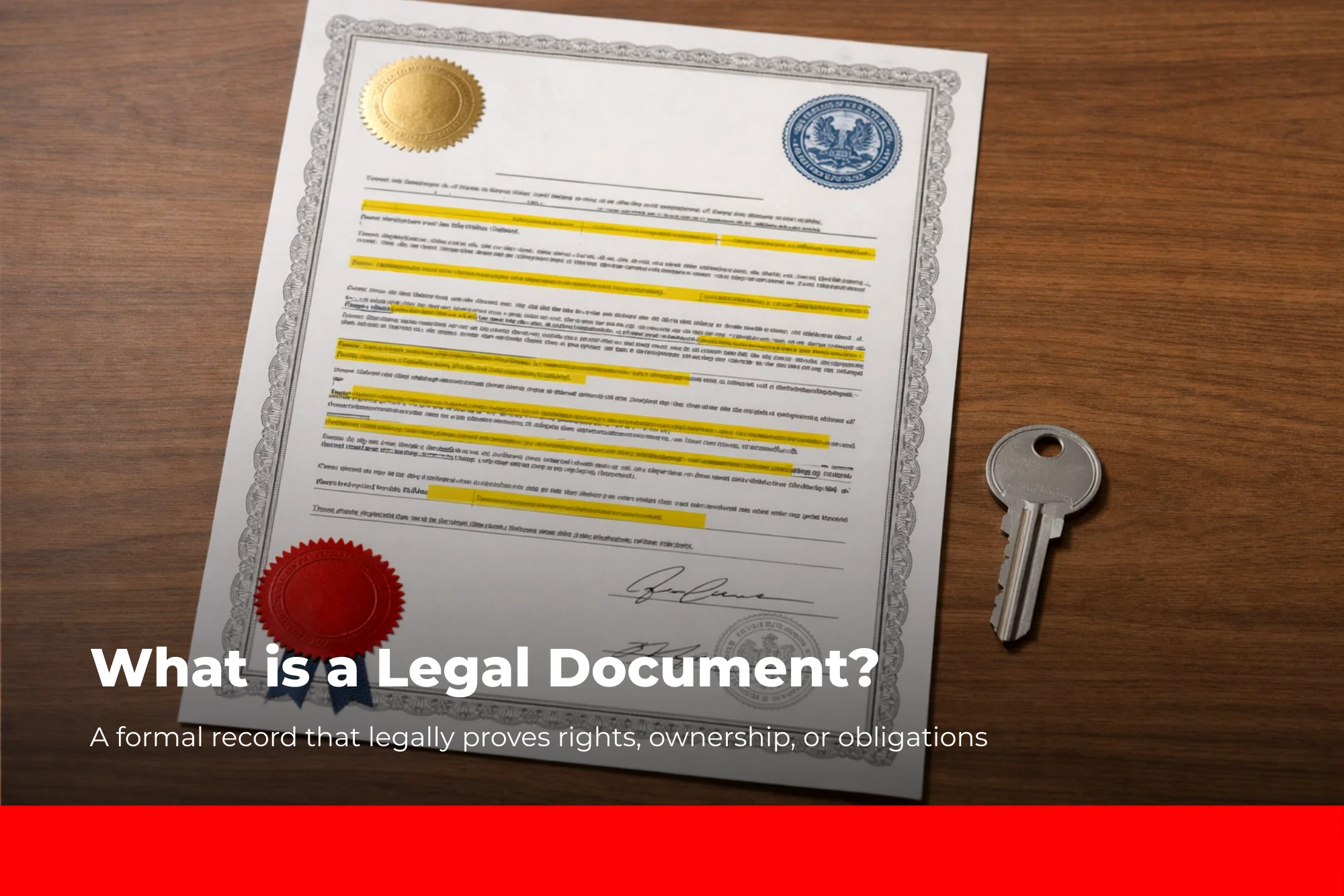
A legal document in real estate is any official document that proves ownership, legality, or compliance of a property. These documents confirm that the property is free from disputes, registered with authorities, and legally safe to buy.
Examples include title deeds, sale agreements, RERA registration, occupancy certificates, and more. Without these documents, you cannot legally transfer ownership, obtain utilities, or apply for home loans.
Why Legal Documents Are Important

- Protects Your Investment: Ensures that the property you are buying is legally yours.
- Avoids Future Disputes: Prevents cases of fraud, ownership conflicts, or illegal construction.
- Mandatory for Registration: Most legal documents are required for property registration and mutation.
- Bank & Loan Compliance: Banks will only approve home loans if all documents are verified.
- Peace of Mind: Knowing your property is legally compliant removes stress and risk.
Types of Legal Documents to Check Before Buying a Flat
The documents you need can be categorised into ownership, compliance, financial, and handover documents. Here’s a detailed explanation:
1. Title Deed
The title deed is the most critical document in any property transaction. It is essentially proof that the seller owns the property and has the legal right to sell it.
Why the Title Deed is Important
- Confirms the seller’s ownership of the flat
- Ensures there are no legal disputes or encumbrances on the property
- Helps avoid future litigation
Key Points to Verify
- Check if the title is clear and marketable. A clear title means the property is free from legal disputes or claims.
- Verify the ownership chain for the past 10–15 years. Any break in ownership can cause problems in registration.
- Ensure there are no mortgages, loans, or liens attached.
A clean title deed is the foundation of secure property ownership. Without it, all other documents may become meaningless if legal disputes arise.
Pro Tip: Ask the seller to provide the previous sale deeds and cross-check the names on municipal and registration records.
2. Sale Agreement
The sale agreement is a legally binding contract between the buyer and the seller that outlines the terms of the sale. This document is signed after initial negotiations and before the registration of the property.
Why It Matters
- It legally binds the buyer and seller to the terms of the transaction
- Prevents disputes regarding payment or possession
- Can be used in court if conflicts arise
Key Clauses to Check
- Payment schedule: Ensure instalments and final payment dates are clearly mentioned.
- Penalties for delay: Both for the buyer and the seller.
- Cancellation or exit clauses: Understand under what conditions you or the seller can cancel the agreement.
- Property details: Check flat number, size, floor, and address.
A carefully drafted sale agreement is one of the first property documents required for buying a flat, and it acts as a roadmap for your home purchase.
Pro Tip: Always have a property lawyer review the sale agreement before signing.
3. Approved Building Plan
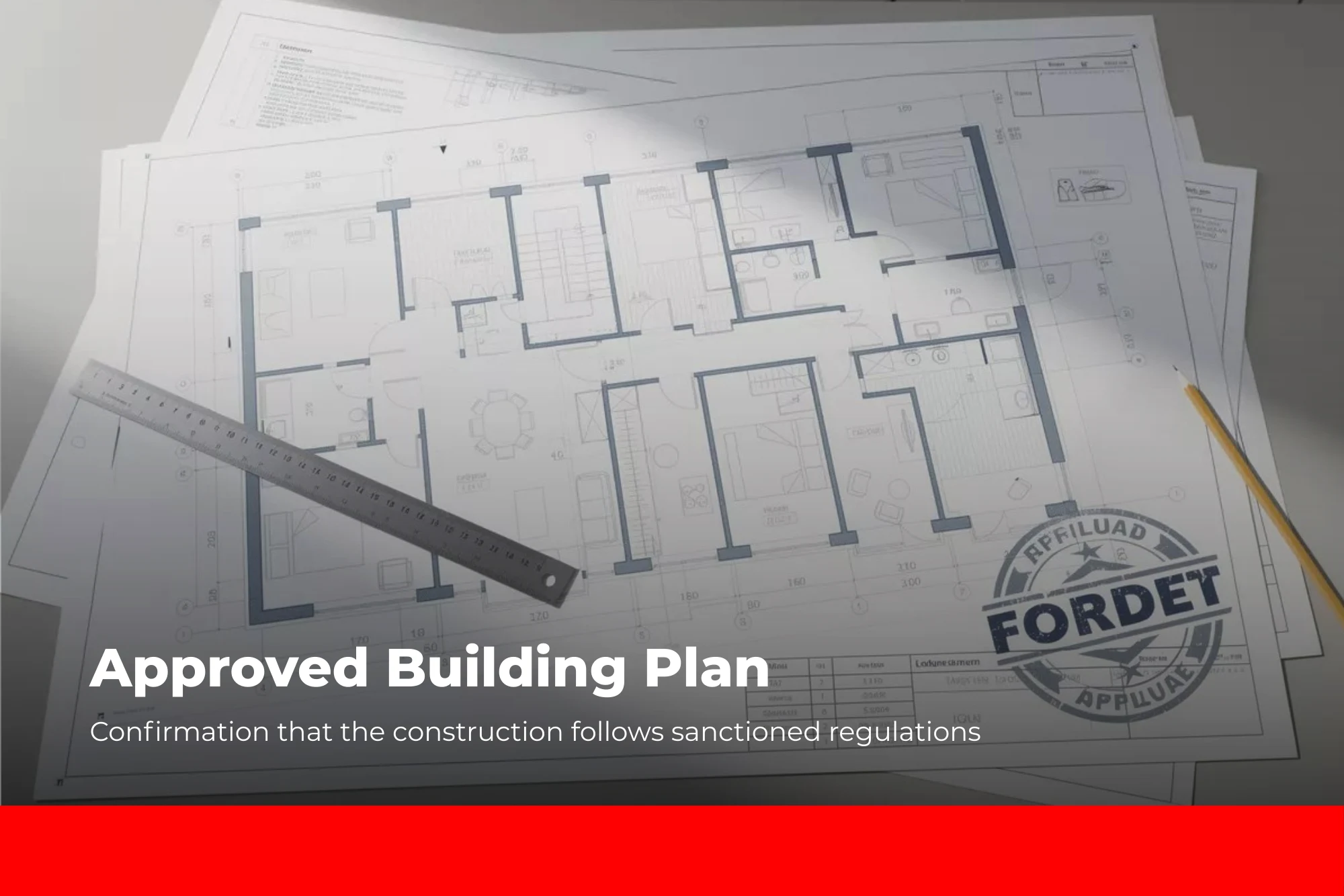
An approved building plan is issued by the local municipal authority or development authority and ensures that the flat is constructed legally.
Why Check the Building Plan
- Confirms the building is constructed as per municipal rules
- Ensures there are no violations of local zoning laws
- Avoids demolition or legal disputes in the future
How to Verify
- Obtain a copy of the approved plan from the builder
- Compare it with the actual construction of the flat
- Check for approval stamps and signatures from the municipal authorities
Buying a flat without verifying the building plan is risky. This step is a vital part of the flat purchase legal checklist.
Pro Tips: In some cities, builders have faced penalties or demolition orders for flats built without municipal approval. Checking the plan beforehand saves a lot of trouble.
4. RERA Registration Certificate
The Real Estate Regulatory Authority (RERA) was introduced to protect homebuyers and bring transparency to the real estate sector. Any residential project must be registered under RERA.
Benefits of RERA Registration
- Confirms the project is legitimate
- Provides details like project timeline, builder, approvals, and legal status
- Offers legal recourse if the builder delays possession
How to Verify
- Visit your state RERA website
- Enter the project registration number provided by the builder
- Check project status, builder reputation, and complaint history
For buyers, having a RERA certificate is not optional—it is essential. It gives peace of mind and legal protection.
Pro Tip: Make sure the RERA registration is valid and active; expired or fake registrations can lead to trouble.
5. Occupancy Certificate (OC)
The Occupancy Certificate (OC) is issued when the building is ready for habitation and complies with all the rules laid down by local authorities.
Importance of OC
- Legal proof that the flat is safe to occupy
- Required to get essential utilities like electricity, water, and gas connections
- Helps in registering the property in your name
Without an OC, occupying the flat may be illegal and risky. Banks may also refuse home loans if the OC is missing.
Pro Tip: Always ask the builder for the OC before taking possession.
6. Completion Certificate (CC)
The Completion Certificate (CC) confirms that construction has been completed in accordance with the approved building plan.
Difference Between CC and OC
- CC: Confirms that construction follows legal and municipal regulations
- OC: Confirms that the building is fit for occupancy
Why It Matters
- Helps prevent future disputes about illegal construction
- Required for resale or mortgage purposes
- Ensures the property complies with safety and zoning regulations
A CC without OC may indicate that while construction is complete, the flat isn’t legally ready for habitation.
7. Encumbrance Certificate (EC)
The Encumbrance Certificate proves that the property is free from any loans, mortgages, or legal disputes.’
Why Check EC
- Confirms the property has no pending financial liabilities
- Protects buyers from legal claims
- Needed for smooth registration and loan processing
How to Obtain:
- Visit the sub-registrar office or your state’s online property portal
- EC usually covers the last 10–15 years of property transactions
An EC is one of the most important legal documents to check before buying a flat because it guarantees that the property is unencumbered.
8. Khata Certificate / Property Tax Receipts
The Khata certificate and property tax receipts show that the property is registered with the municipal authority and all taxes have been paid.
Why Verify Khata
- Ensures legal recognition of the property
- Needed for the mutation of ownership after purchase
- Confirms there are no outstanding municipal dues
Pro Tips: Check that the Khata details match the sale agreement and title deed. Discrepancies may cause delays in registration.
9. No Objection Certificates (NOCs)
Depending on the property, various NOCs are required. These may include:
- Fire safety NOC
- Water supply and sewage NOC
- Environmental NOC
- Electricity connection NOC
Importance
Importance
- Confirms that all government regulations have been met
- Ensures the property can be legally used for residential purposes
Without the required NOCs, you may face fines or service disconnections in the future.
10. Allotment Letter
The allotment letter is provided by the builder and confirms the allocation of a specific flat.
Key Details to Check
- Flat number, floor, and size
- Payment schedule and possession date
- Terms and conditions
The allotment letter acts as proof that the builder has committed the flat to you. It should match the sale agreement and RERA records.
11. Possession Letter
The possession letter is issued when the flat is ready for handover.
Key Points
- Verify possession date and handover condition
- Check for any pending construction work
- Confirm that all amenities promised are ready
Receiving a possession letter is crucial before you move in.
12. Home Loan Clearance (If Applicable)

If the property was previously financed, ensure all loans are cleared.
Key Steps
- Obtain a bank NOC stating the loan is fully repaid
- Confirm there are no pending dues
- Essential for resale or mutation of property
13. Legal Due Diligence by a Property Lawyer

Even after verifying all documents, hiring a property lawyer is strongly recommended.
What Lawyers Check
- Authenticity of title and sale deeds
- Legal compliance of all documents
- Ongoing litigation or disputes
The cost of legal due diligence is minimal compared to the protection it offers. A lawyer ensures you don’t miss any hidden issues.
Flat Purchase Legal Checklist
| Document Name | Purpose | Key Points to Verify |
|---|---|---|
| Title Deed | Ownership proof | Clear, marketable, no liens |
| Sale Agreement | Terms of purchase | Payment schedule, penalties, and clauses |
| Approved Building Plan | Legal construction | Municipal approval, no violations |
| RERA Certificate | Project legitimacy | Registration number, project details |
| OC | Safe for habitation | Issued by authority, required for utilities |
| CC | Construction as per plan | Municipal compliance |
| Encumbrance Certificate | Loan-free property | No mortgages, dues cleared |
| Khata/Property Tax | Municipal registration | Taxes paid, correct property details |
| NOCs | Regulatory compliance | Fire, water, environment, electricity |
| Allotment Letter | Flat allocation | Flat number, payment terms |
| Possession Letter | Handover verification | Condition, possession date |
| Home Loan Clearance | Loan verification | Bank NOC, dues cleared |
Final Thoughts
Buying a flat is a life-changing decision. Reviewing legal documents to check before buying a flat ensures you avoid disputes, financial loss, and legal hassles.
From title deeds to possession letters, each document plays a crucial role in securing your investment. Use this guide as a flat purchase legal checklist to stay safe and make an informed decision.
Pro Tip: Keep copies of all documents, verify them with a lawyer, and cross-check with RERA and municipal records for complete peace of mind.
Take Action Today:
Choose a trusted builder. At Sri Jagannath Promoters and Builders, all property documents required for buying a flat are verified and compliant. Contact us to explore ready-to-move and under-construction projects for a safe, stress-free home-buying experience.
FAQs
1. What are the most important documents when buying a flat?
When purchasing a flat, the key property verification documents for flats include the title deed, sale agreement, Occupancy Certificate (OC), Completion Certificate (CC), RERA registration certificate, and Encumbrance Certificate (EC).
2. Is RERA registration mandatory?
Yes. RERA registration ensures transparency and legal protection for homebuyers, making it a vital part of the legal checklist before purchasing a flat.
3. Can I buy a flat without an Occupancy Certificate?
It’s not recommended. The OC confirms the property is safe and legally ready to occupy, while the CC ensures construction complies with approved plans.
4. How do I verify a property’s legal status?
Verify the title deed, Encumbrance Certificate, and other property verification documents for flats. Consulting a property lawyer is highly recommended to ensure a complete legal checklist before purchasing a flat.
5. What is the difference between CC and OC?
- Completion Certificate (CC): Confirms that the construction has been done according to approved plans.
- Occupancy Certificate (OC): Certifies the flat is ready and safe for occupation.








Leave a Reply