
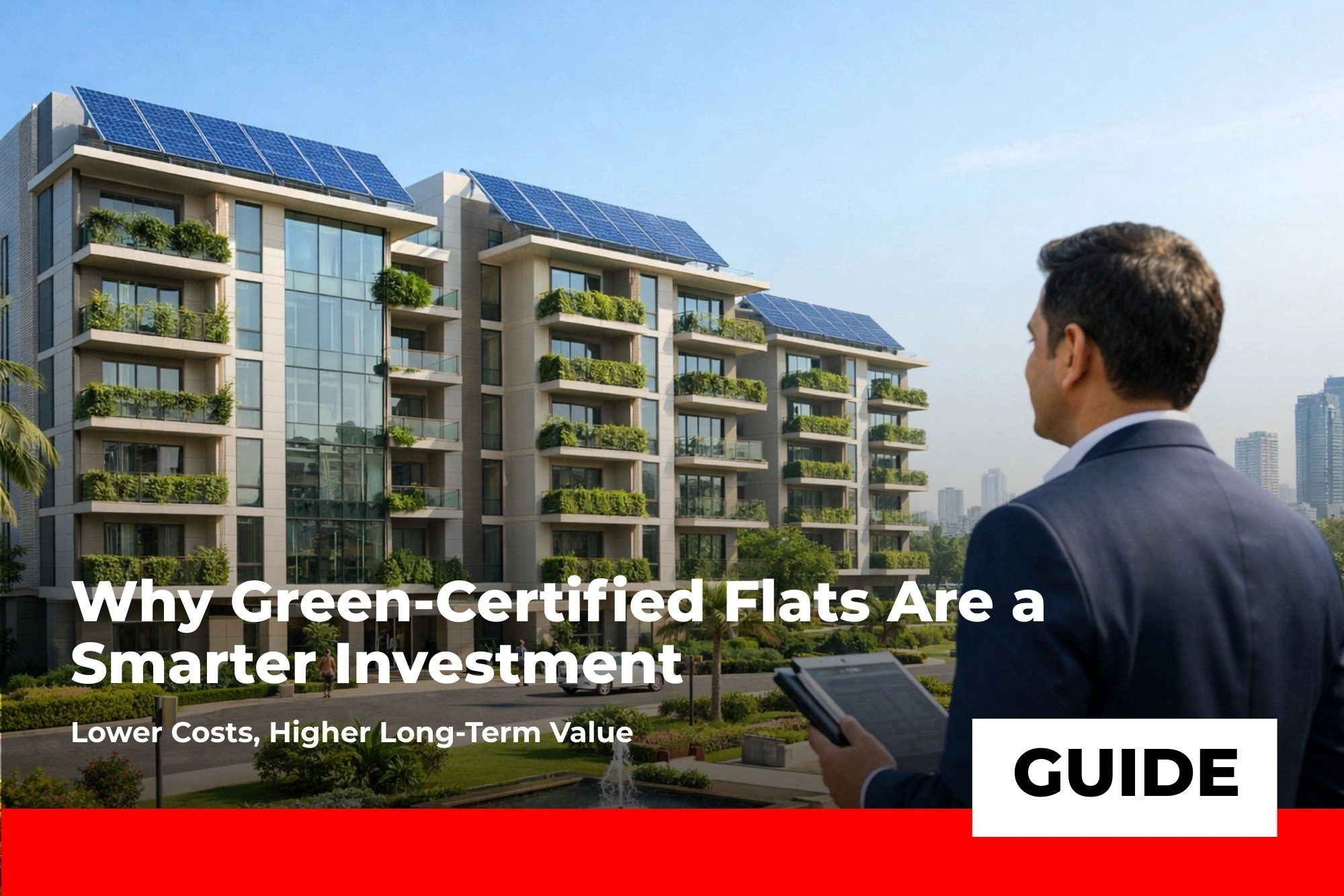
Buying a flat is one of the biggest financial and lifestyle decisions you will ever make. Today’s homebuyers look beyond location and price—they prioritize health, long-term savings, and future value. This is where Green building certifications play a crucial role.
Certified green homes are designed to be healthier, more efficient, and environmentally responsible. They help reduce energy and water consumption, improve indoor air quality, and support sustainable urban growth. With rising utility costs and increasing environmental concerns, choosing Sustainable residential buildings is no longer a trend—it is a smart investment decision.
For buyers seeking comfort, cost efficiency, and responsible living, Green building certification benefits for buyers include lower monthly expenses, improved well-being, and stronger resale value. This blog explains why these certifications matter and how they help you make a confident, future-ready home purchase.
What Are Green Building Certifications?
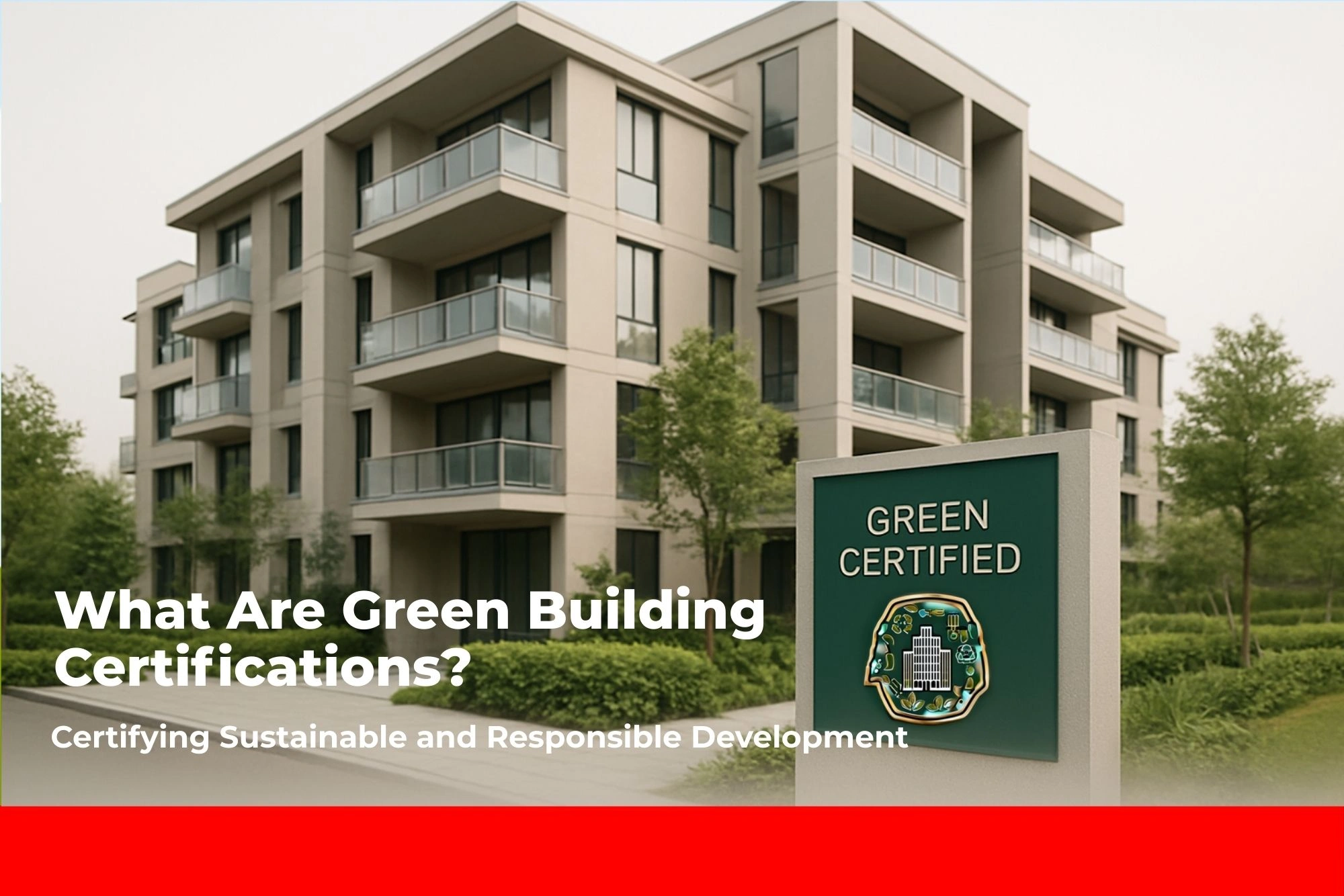
Green building certifications are official ratings given to buildings that follow eco-friendly construction standards. These standards focus on energy use, water conservation, waste management, and indoor air quality.
Certified projects follow strict guidelines from recognised authorities. The goal is simple. Create homes that consume fewer resources and offer healthier living spaces. These certifications also help buyers trust builders’ sustainability claims.
When a flat carries such a rating, it proves that the project meets national or international green standards.
Major Green Building Certifications in India
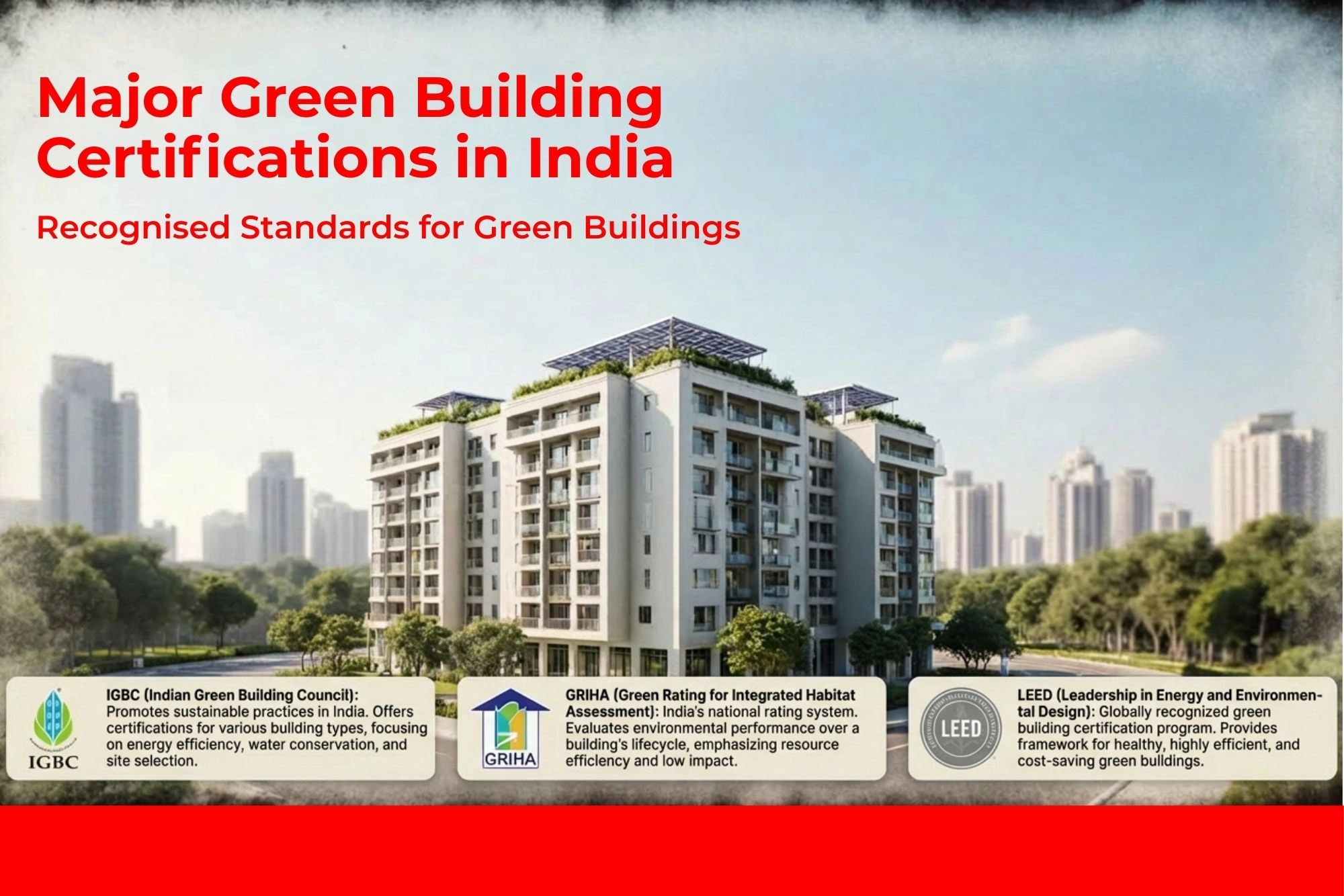
India has several trusted systems that evaluate residential projects. Each focuses on sustainability and efficiency.
IGBC (Indian Green Building Council)
IGBC promotes green practices across residential and commercial buildings. It evaluates site planning, energy use, materials, and water efficiency.
GRIHA
Developed with government support, GRIHA focuses on climate-responsive design. It works well for Indian weather conditions.
LEED Certification
LEED is globally recognized. It follows strict environmental benchmarks and adds international value to properties.
All these systems support the idea of Sustainable residential buildings by encouraging long-term environmental responsibility.
Benefits of Green Certified Buildings for Homebuyers
One major reason buyers prefer certified homes is the Benefits of green certified buildings. These homes offer comfort along with responsibility.
They use non-toxic materials. This improves indoor air quality. Residents experience fewer allergies and better breathing conditions. Natural lighting and ventilation also improve daily living.
Another advantage lies in reduced operating costs. These benefits go beyond environmental impact. They directly improve lifestyle quality.
The Benefits of green certified buildings also include better temperature control, reduced noise, and smarter layouts that improve daily comfort.
Energy Efficiency and Lower Utility Costs
Energy consumption forms a large part of monthly expenses. Green building certifications focus strongly on reducing energy use.
Designs include better insulation, efficient lighting, and smart appliances. This improves Green homes energy efficiency without compromising comfort.
Solar panels, LED systems, and energy-saving fixtures help cut electricity bills. Over time, these savings become significant.
Homes designed with Green home energy efficiency in mind also stay cooler during summers and warmer in winters, reducing dependence on artificial cooling and heating.
Environmental Impact of Eco-Friendly Flats
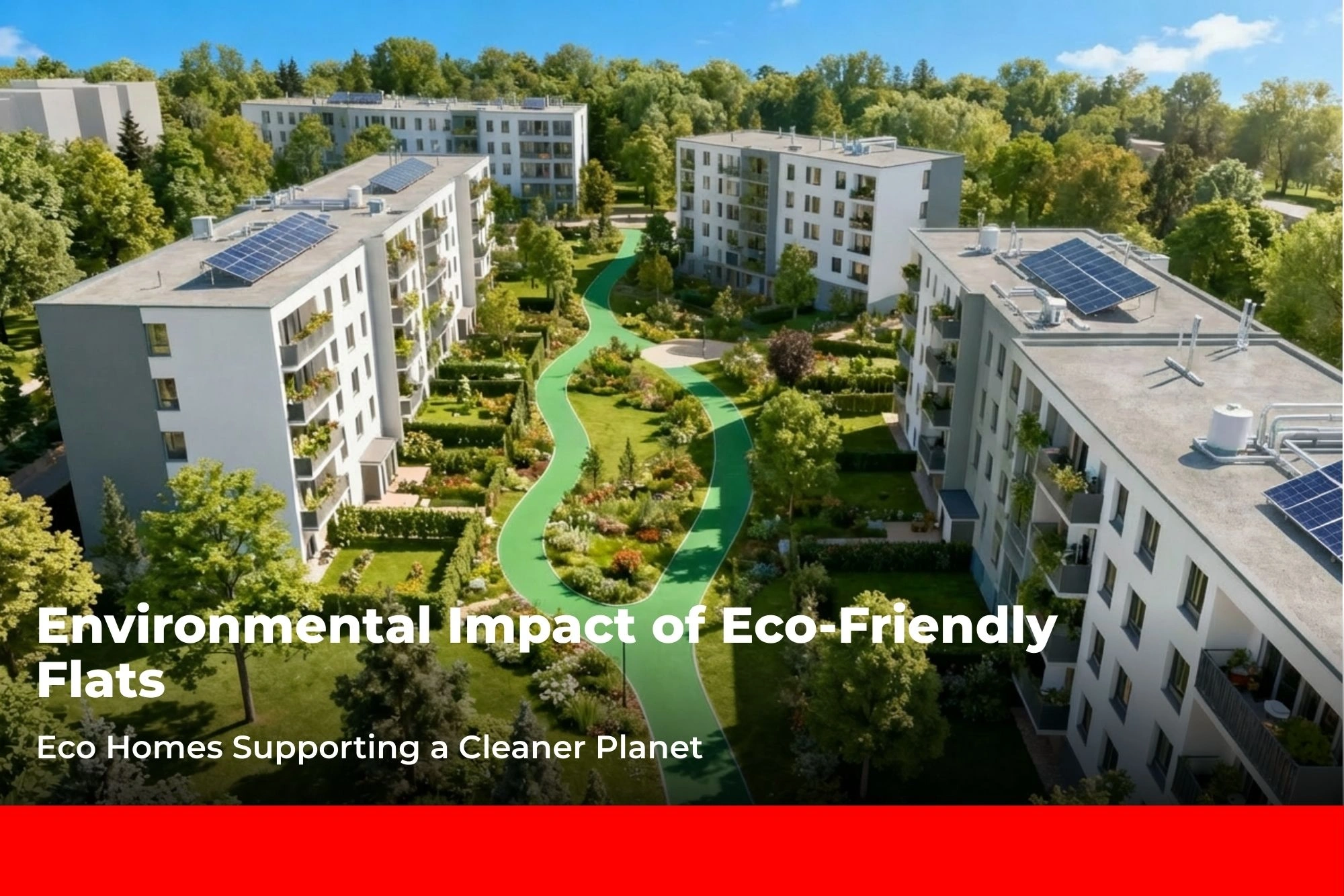
Homebuyers increasingly care about their environmental footprint. Green building certifications ensure minimal damage to nature during construction and use.
Certified homes use rainwater harvesting, waste segregation, and sustainable materials. These features reduce pressure on local resources.
Demand for Eco-friendly flats in odisha is rising as buyers seek responsible housing options. Such projects align well with regional climate needs.
Choosing Eco-friendly flats in Odisha also supports cleaner cities and healthier neighbourhoods for future generations.
Higher Property Value and Better Resale Potential: Comparison
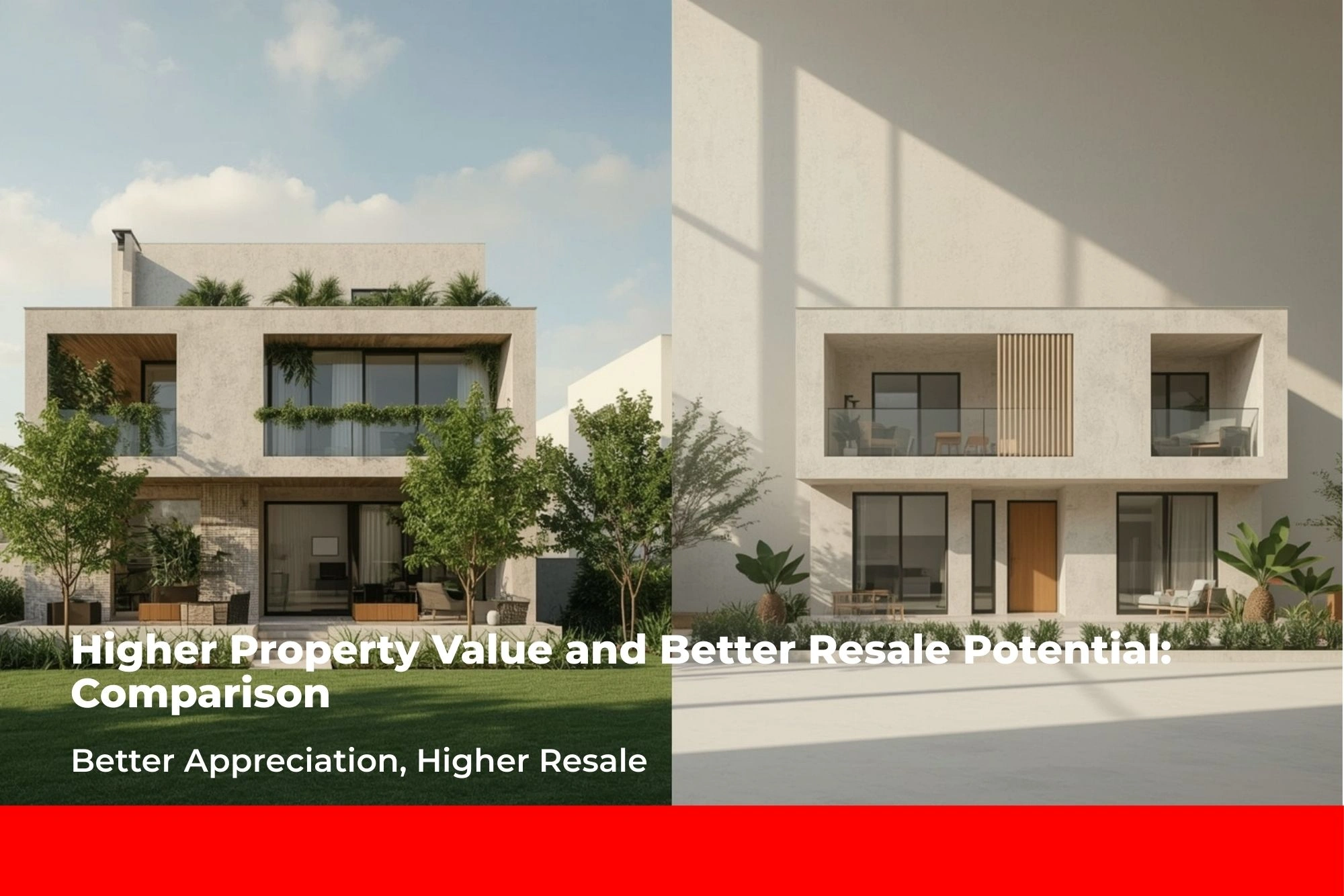
| Aspect | Green Certified Homes | Non-Certified Homes |
|---|---|---|
| Property Value | Higher value due to sustainability features and long-term savings | Standard pricing with limited value appreciation |
| Resale Demand | High demand from eco-conscious buyers and investors | Moderate demand, depends mainly on location |
| Rental Income | Better rental returns due to lower utility bills | Average rental income with higher monthly costs |
| Maintenance Costs | Lower costs due to durable materials and efficient systems | Higher costs over time due to wear and energy inefficiency |
| Energy & Water Bills | Reduced bills through energy-efficient design | Higher recurring utility expenses |
| Market Positioning | Positioned as future-ready and premium | Viewed as conventional housing |
| Buyer Preference | Preferred for healthier living and cost savings | Chosen mainly for price or availability |
| Long-Term Value | Strong long-term appreciation potential | Slower appreciation over time |
Government Incentives and Compliance Advantages
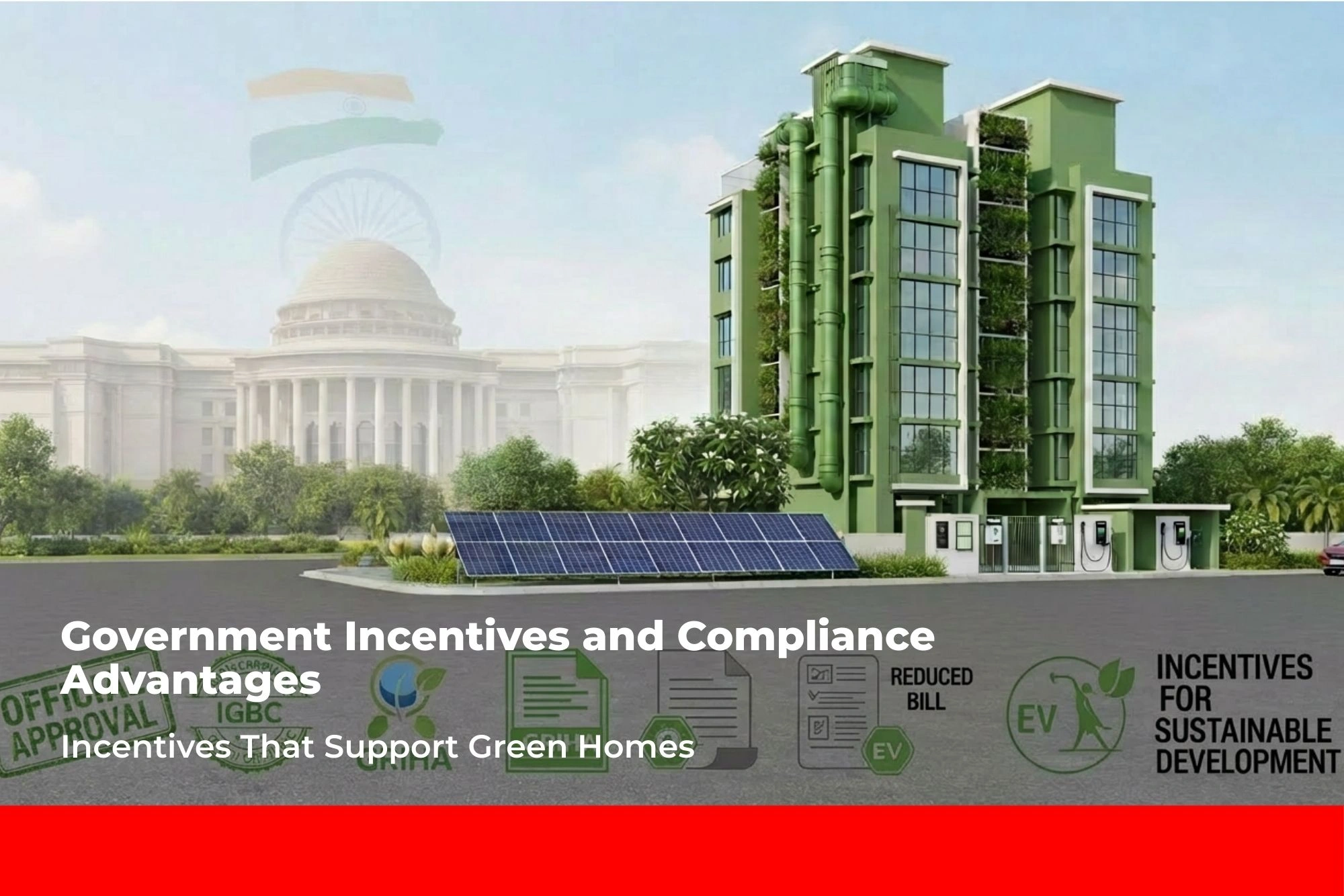
Government authorities across India actively promote sustainable housing to reduce environmental impact and improve urban living standards. Homes with Green building certifications align closely with these goals, offering multiple regulatory and financial advantages for both developers and buyers.
Key advantages include:
- Alignment with government sustainability policies
Green-certified projects follow approved environmental guidelines, making them compliant with present and upcoming building regulations. - Faster project approvals
Certified developments often receive quicker clearances from local authorities due to adherence to recognised green norms. - Tax benefits and financial incentives
In some regions, governments offer rebates on property tax, development charges, or approval fees for certified green projects. - Reduced compliance risks for buyers
Buyers face fewer legal issues since certified homes meet strict construction and environmental standards. - Lower chances of future penalties
As environmental regulations tighten, green-certified homes remain protected from non-compliance fines or structural changes. - Better transparency and documentation
Certification requires detailed audits and reporting, giving buyers confidence in construction quality and legality. - Long-term regulatory safety
The Green building certification benefits for buyers include assurance that the home will remain compliant with future green mandates. - Support for sustainable urban development
Governments prefer projects that conserve water, energy, and land, placing certified homes in a favourable category. - Future-ready investment
As governments continue to push green norms, homes already aligned with sustainability standards stay ahead in value and usability.
This combination of incentives, compliance ease, and legal security makes green-certified homes a smart and low-risk choice for long-term homeowners and investors alike.
How to Check If a Flat Is Green Certified
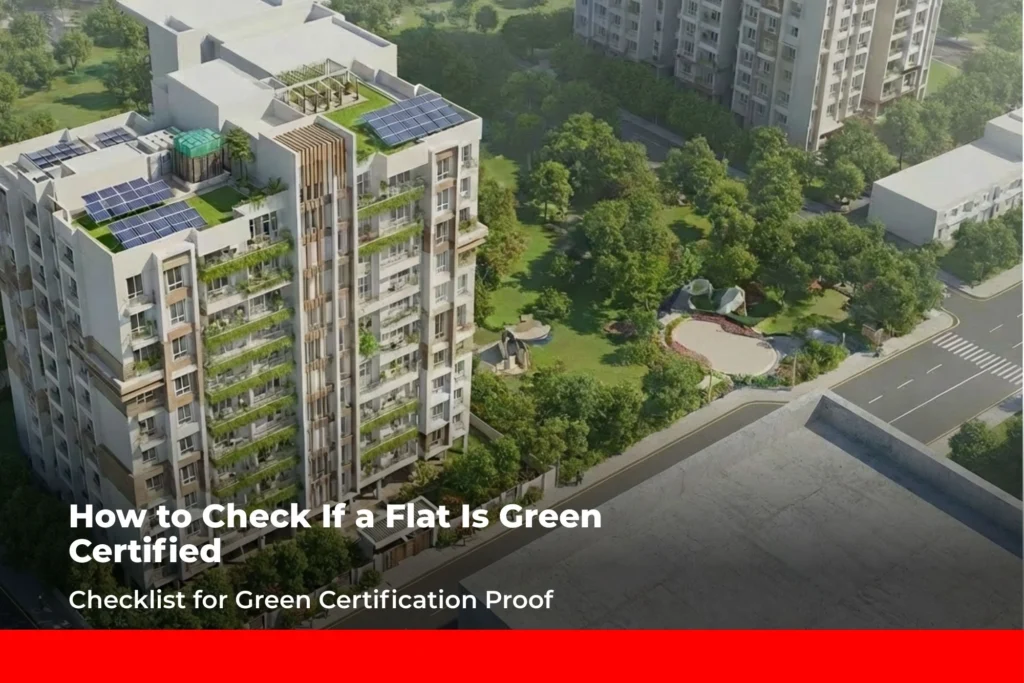
With many builders using sustainability as a marketing term, buyers must verify green claims carefully. A genuine green-certified flat comes with clear documentation, verified ratings, and visible eco-friendly features. Below is a detailed and practical way to check authenticity.
Steps to Verify Green Certification
| What to Check | What Buyers Should Do | Why It Matters |
|---|---|---|
| Official Certification Documents | Ask the developer for the original green certification or provisional rating letter | Confirms that the project meets recognised sustainability standards |
| Issuing Authority Name | Verify whether the certificate is from IGBC, GRIHA, or LEED | Only recognised bodies provide valid certification |
| Project Registration Number | Use the registration ID to search on the official certification website | Prevents false or misleading marketing claims |
| Certification Level | Check whether the project is Silver, Gold, or Platinum rated | Higher ratings indicate stronger sustainability performance |
| Validity Status | Confirm if the certification is final or provisional | Ensures the project achieves standards after construction |
| Energy Efficiency Features | Look for LED lighting, solar panels, energy-efficient lifts, and insulation | Supports long-term savings and green living |
| Water Management Systems | Check for rainwater harvesting, low-flow fixtures, and water recycling | Reduces water bills and environmental impact |
| Waste Management Plan | Ask about waste segregation, composting units, and recycling systems | Reflects responsible waste handling practices |
| Material Usage | Enquire about low-VOC paints, sustainable materials, and certified suppliers | Improves indoor air quality and durability |
| Builder Transparency | Assess how clearly the developer explains sustainability features | Transparency shows genuine commitment, not just branding |
Why Verification Matters for Buyers
Understanding Green building certification benefits for buyers goes beyond checking a certificate. It ensures that the home delivers real advantages like lower utility bills, healthier indoor spaces, and future regulatory safety.
A transparent builder willingly shares documents, explains green features, and provides access to certification portals. This openness builds trust and reflects long-term responsibility.
By verifying green certification properly, buyers protect their investment and ensure they are truly purchasing a sustainable, future-ready home.
Why Green Building Certifications Matter in the Long Run
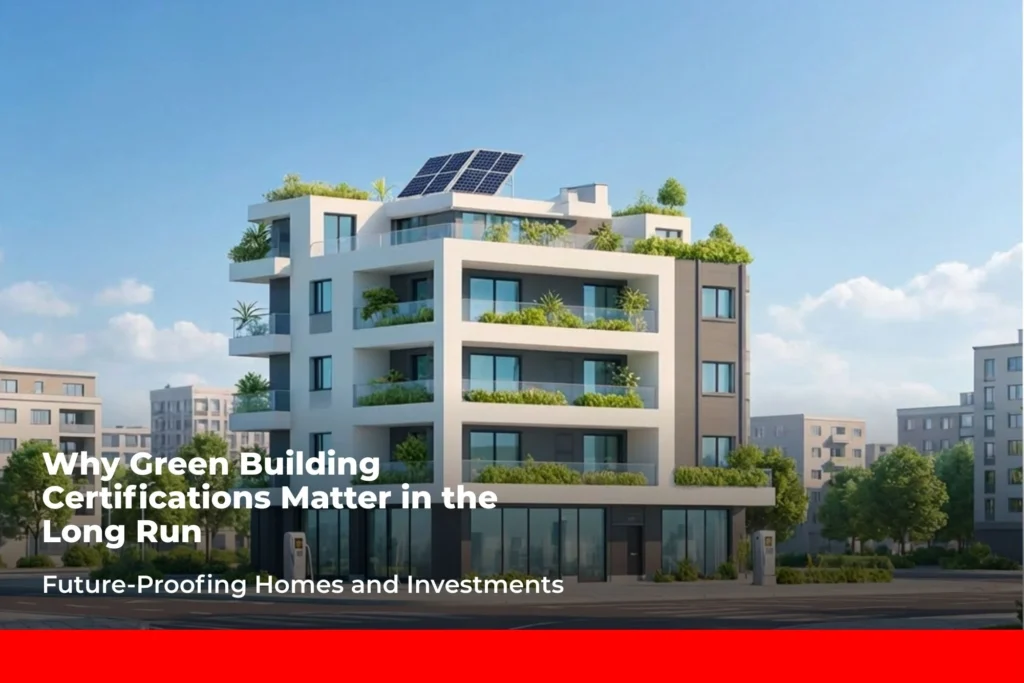
Choosing a home is not just about today. It’s about the next 20 to 30 years. Green building certifications ensure homes stay efficient, healthy, and valuable.
They protect residents from rising utility costs. They reduce environmental impact. They also support healthier communities.
In a changing climate, certified homes offer stability and smarter living choices.
Final Words
Buying a flat means investing in comfort, health, and the future. Green building certifications guide buyers toward homes that deliver all three.
These certifications ensure energy efficiency, environmental responsibility, and long-term value. They also support smarter urban growth.
For buyers seeking quality and sustainability, certified green homes make perfect sense.
Call Now!
Connect with Sri Jagannath Promoters and Builders to book your green-certified dream home today.
Frequently Asked Questions (FAQs)
1. What do green building certifications indicate?
Green building certifications confirm that a project follows recognised environmental, energy, and resource-efficiency standards. These homes are designed to reduce water and power consumption while improving living comfort. Certification also ensures responsible construction practices.
2. Are green certified flats more expensive?
Green certified flats may have a slightly higher initial price due to better materials and technology. However, lower electricity, water, and maintenance costs help recover this difference over time. In the long run, they prove more economical.
3. Do green homes improve health?
Yes, green homes focus on better ventilation, natural lighting, and non-toxic materials. This leads to improved indoor air quality and reduced health issues. Residents often experience better comfort and well-being.
4. Can green certified flats be resold easily?
Yes, demand for sustainable and energy-efficient homes is steadily increasing. Buyers and tenants prefer homes with lower running costs and healthier living spaces. This makes resale faster and more profitable.
5. How can buyers verify certification authenticity?
Buyers should request official certification documents from the developer. They can cross-check project details on the issuing authority’s official website. This ensures the certification is genuine and valid.







Leave a Reply